




 English
 Español
 Français


Outdoor maintenance work has changed a lot in recent years. Landscaping companies, orchard owners, and tree service contractors are no longer choosing tools only by engine size or cutting force. Daily work pressure is different now. Crews move between multiple job sites, work longer hours during peak seasons, and often handle trimming work in residential areas where noise and convenience matter more than before.
Because of this, many buyers are looking for tools that are easier to carry, faster to start, and simpler to maintain during busy work schedules. Instead of relying only on heavy fuel machines, more contractors are adding compact battery-powered equipment to their regular workflow.
Orchard Workers Need Tools That Reduce Fatigue
In vineyards, fruit farms, and greenhouse operations, workers repeat the same cutting actions hundreds or even thousands of times every day. Heavy tools may still handle thick branches well, but they also put more pressure on the wrist, shoulder, and lower back during long shifts.
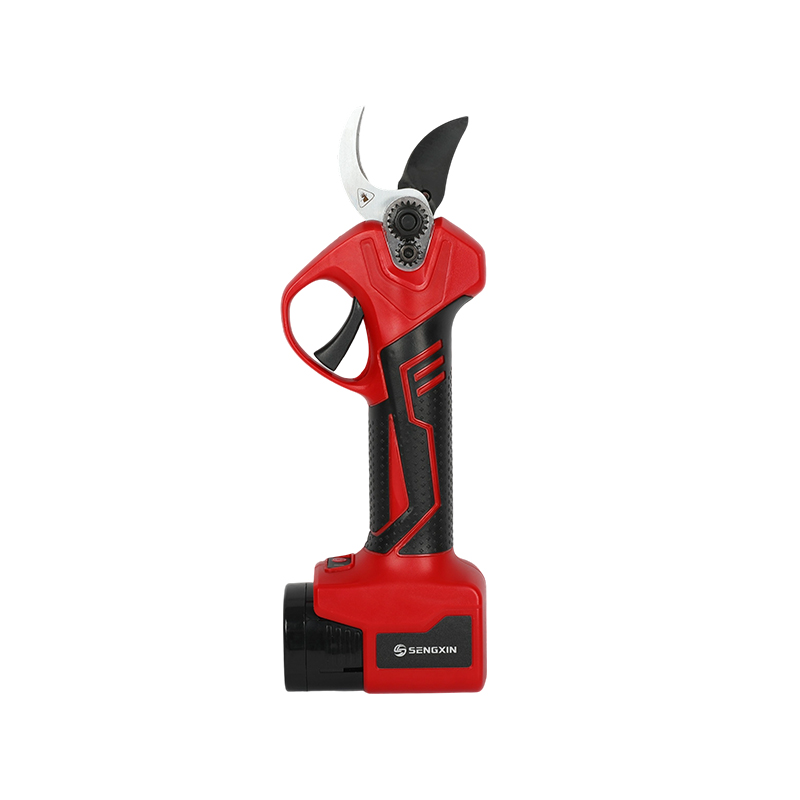
This is why many orchard operators now use Pruning Shears for routine branch trimming and seasonal maintenance work. Electric-assisted cutting helps workers finish repetitive jobs with less physical strain compared with manual cutters.
Field crews also mention another practical issue: carrying large fuel tools across uneven ground slows movement between rows of trees. Lightweight equipment helps workers move faster and spend less time adjusting or restarting machines.
Fuel Equipment Creates More Maintenance Work
Gas-powered tools are still common in outdoor maintenance, but many companies now see them as more demanding to manage during everyday jobs.
Crew supervisors often deal with:
- Fuel storage and transport
- Engine startup problems in cold mornings
- Spark plug replacement
- Oil mixing mistakes
- Noise complaints in residential areas
These issues may seem small individually, but together they increase downtime during busy seasons.
Because of this, compact Cordless Chain Saw models are becoming more common for light branch cutting, garden cleanup, and farm maintenance tasks. Many crews prefer equipment that starts immediately and does not require regular engine servicing.
Smaller Equipment Is Now Used on Professional Job Sites
A few years ago, many contractors viewed cordless tools mainly as products for home gardening. That attitude is changing.
Today, professional Pruning Shears are commonly used in:
- Vineyard maintenance
- Orchard branch trimming
- Nursery shaping work
- Municipal garden care
- Greenhouse crop management
At the same time, Cordless Chain Saw systems are now widely used for:
- Tree branch cleanup
- Small wood cutting jobs
- Storm debris removal
- Farm fence maintenance
- Residential landscape work
For many crews, smaller equipment is simply easier to transport, easier to store, and faster to prepare between locations.
Tool Weight and Grip Design Matter More Than Before
Contractors often mention that tool comfort directly affects work speed. A machine may cut well, but if it feels awkward after several hours, productivity drops quickly.
Manufacturers are therefore paying more attention to:
- Handle shape and grip texture
- Battery position and balance
- Trigger response during cutting
- Weight distribution for overhead work
- Reduced vibration during long use
These details help workers stay productive during long outdoor shifts, especially during busy pruning seasons.
Outdoor Tools Are Becoming Simpler and Easier to Use
The outdoor equipment market is moving toward lighter, quieter, and easier-to-manage tools. Contractors want equipment that works reliably without adding extra maintenance pressure during busy schedules.
As battery systems continue improving, more professional users are treating cordless equipment as practical everyday tools instead of backup options.
Manufacturers that focus on comfort, stable quality, and real field conditions will continue attracting buyers looking for efficient tools that fit modern outdoor work routines.
