




 English
 Español
 Français


Orchard management requires careful attention to tree health, productivity, and safety. One of important aspects of orchard management is pruning. Proper pruning improves airflow, encourages healthy growth, enhances fruit production, and reduces the risk of disease. Selecting the right orchard branch pruning tools and pruning tools for your specific needs is critical.
Understanding Pruning Needs
Before choosing pruning tools, it is essential to assess the type of pruning required. Pruning can be categorized into three main types: small pruning, medium pruning, and large pruning. Each type requires specific orchard branch pruning tools to ensure efficient and safe work.
- Small Pruning: Focused on new shoots, thin branches, and tender growth.
- Medium Pruning: Targets thicker branches, higher growth, and structural shaping of the tree.
- Large Pruning: Involves cutting thick, old, or hardwood branches, sometimes even trunk removal.
Each pruning level has its own recommended tree maintenance tools and techniques. Using the wrong tools can damage the tree or increase labor and safety risks.
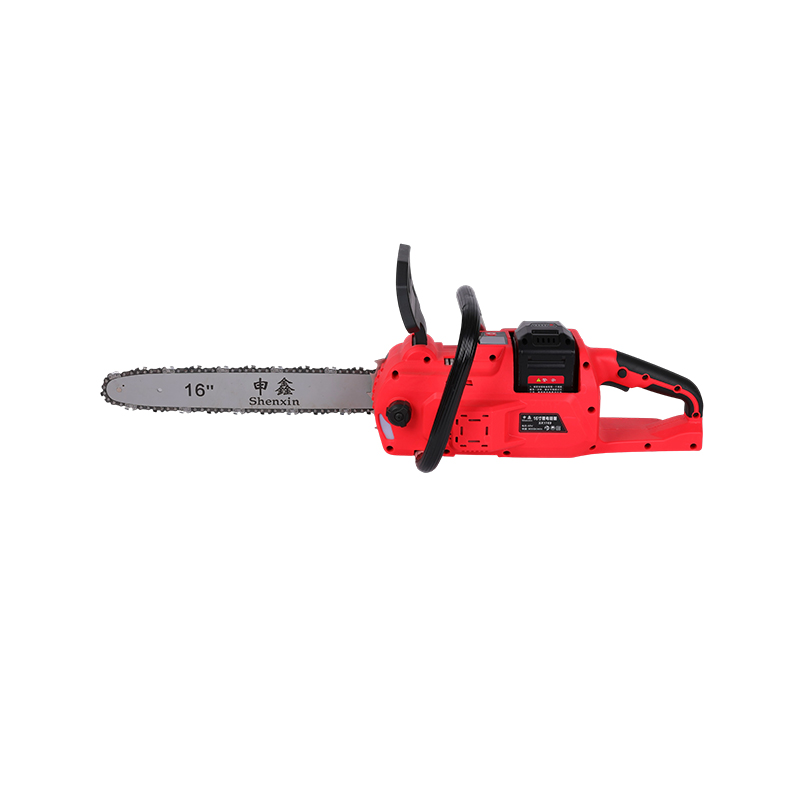
1. Small Pruning: Thin and Tender Branches
Small pruning usually involves branches with diameters up to 2 centimeters. This includes new shoots on apple trees, grapevines, peach trees, and other common orchard fruit varieties.
Recommended Orchard Branch Pruning Tools
1. Pruning Shears (Hand Shears)
- Application: Branches ≤2cm in diameter.
- Advantages: Precise cuts, easy to handle, and lightweight.
- Material: High-carbon steel blades with anti-stick coating are preferred for professional use.
- Battery Powered Garden Tools Option: For extended sessions, electric hand shears powered by rechargeable lithium batteries can reduce fatigue and improve efficiency.
2. Folding Saws
- Application: Branches 3-5cm thick.
- Advantages: Compact, easy to carry, and labor-saving due to three-sided serrated blade design.
- Professional Recommendations: Brands like “Silky” or high-quality folding saws provide smooth cutting and durability.
3. Summary Table for Small Pruning Tools
| Tool Type | Diameter | Range For | Notes |
| Pruning Shears | ≤2cm | New shoots, tender branches | New shoots, tender branches |
| Folding Saw | ≤2cm | Old small branches | Old small branches |
Using proper pruning tools ensures clean cuts, which minimizes the risk of disease and promotes faster healing in trees.
2. Medium Pruning: Higher or Thicker Branches
Medium pruning focuses on branches that are higher in the tree canopy or thicker in diameter (3-10cm). This type of pruning improves sunlight penetration, encourages strong branch structure, and removes weak or overcrowded branches.
Recommended Orchard Branch Pruning Tools
1. High Branch Shears (Long-handled Shears)
- Application: Branches 3-5 meters above the ground.
- Design Considerations: Aluminum alloy handles to reduce weight; pulley systems can provide mechanical advantage.
- Battery Powered Garden Tools Option: Long-reach electric shears reduce manual effort and allow safer pruning at heights without ladders.
2. Short-handled Saws
- Application: Low thick branches, often 5-10cm in diameter.
- Advantages: Precise cuts on structural branches; suitable for shaping and thinning the lower canopy.
- Tree Maintenance Tools Tip: Pairing short-handled saws with hand pruners provides versatility for different branch sizes during medium pruning.
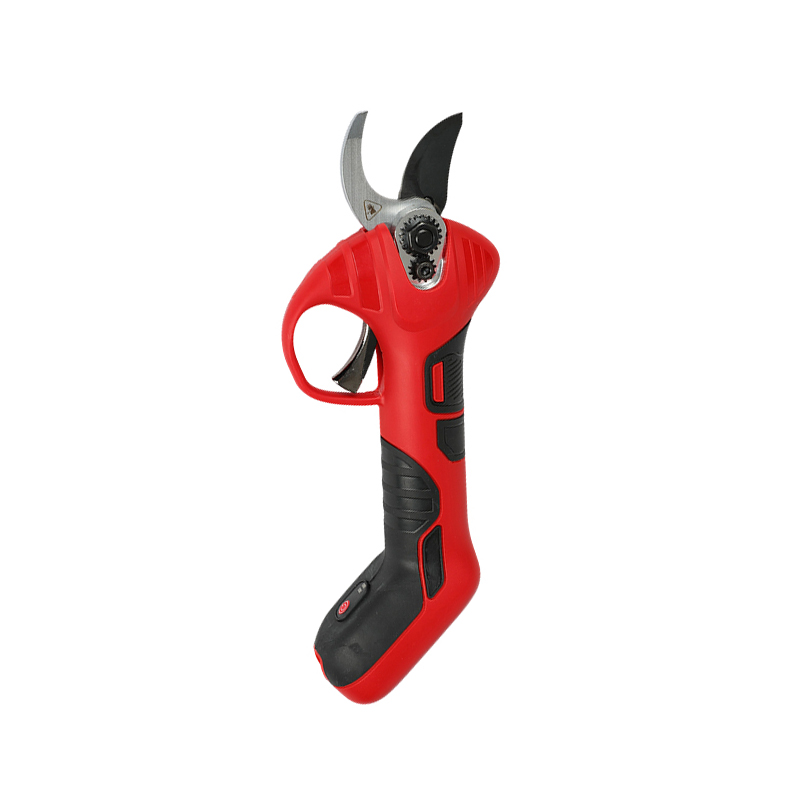
3. Summary Table for Medium Pruning Tools
| Tool Type | Diameter | Range For | Notes |
| Short-handled | 3-5m | High Tall fruit tree branches | Pulley-assisted for reduced effort |
| Short-handled Saw | 3-5m | Lower thick branches | Effective for shaping canopy |
Selecting the right orchard branch pruning tools at this stage reduces strain and ensures proper tree architecture. Battery-powered tree maintenance tools are particularly advantageous for professional orchardists managing multiple trees.
3. Large Pruning: Old Trees and Hardwood
Large pruning involves removing thick branches or trunks from old or hardwood trees. This type of pruning is often done for tree rejuvenation, safety, or large-scale orchard management.
Recommended Orchard Branch Pruning Tools
1. Chain Saws / Electric Saws
- Application: Branches >10cm, old trees, dead or diseased wood.
- Advantages: Fast, efficient, and capable of handling hardwood.
- Battery Powered Garden Tools Option: Cordless electric chain saws provide portability, especially for small orchards where gas-powered saws are unnecessary. They are quieter, easier to maintain, and safer for residential or smaller orchard environments.
2. Professional Gasoline Chain Saws
- Application: Large orchards with multiple trees, thick hardwood branches.
- Advantages: Powerful, continuous operation, capable of heavy-duty pruning.
Tree Maintenance Tools Note: Ideal for large-scale commercial operations, but requires proper safety precautions.
3. Summary Table for Large Pruning Tools
| Tool Type | Diameter | Diameter | Notes |
| Electric Chain Saw | >10cm | Small orchard large branches | Lightweight, portable, battery-powered |
| Gasoline Chain Saw | >10cm | Large orchard or hardwood trees | High power, professional use |
Using the correct pruning tools ensures safety, efficiency, and promotes tree health. Battery-powered orchard branch pruning tools are becoming increasingly popular for home orchards and smaller commercial operations because of their convenience and reduced maintenance compared to gasoline-powered tools.
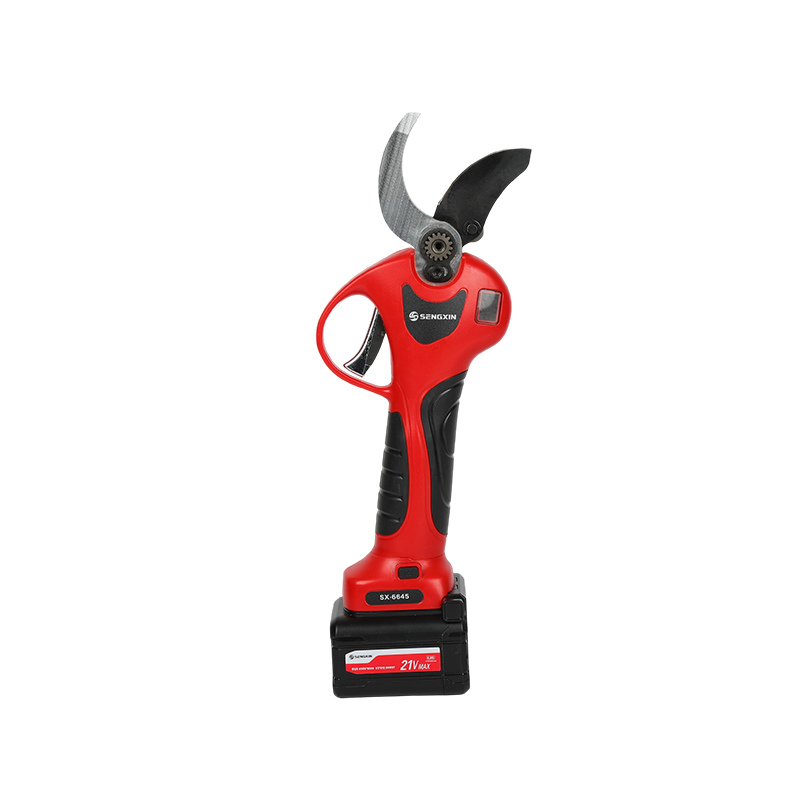
Additional Considerations for Choosing Pruning Tools
When selecting pruning tools and tree maintenance tools, consider the following factors:
- Tree Type and Branch Structure: Different fruit trees may have varying branch thickness, density, and growth patterns. Tools should match the pruning demands.
- User Comfort and Safety: Ergonomic designs, weight distribution, and anti-vibration features are important, especially for long pruning sessions. Battery-powered pruning tools often offer lighter weight and less vibration.
- Frequency of Use: For professional orchardists, investing in high-quality, durable tree maintenance tools is worthwhile. For occasional pruning, economical hand tools may suffice.
- Maintenance Requirements: Manual pruning tools require sharpening and cleaning. Battery-powered tools need proper charging and storage. Electric or gasoline-powered chain saws require lubrication and blade maintenance.
- Budget and Scale: Home orchard pruning may favor battery-powered garden tools, whereas large commercial orchards may require a mix of electric and gasoline tools for different pruning scenarios.
Integrating Battery Powered Garden Tools
Modern orchard management increasingly incorporates battery powered garden tools due to their convenience, portability, and environmental advantages. These tools are particularly useful for:
- Pruning high or hard-to-reach branches without ladders.
- Reducing operator fatigue during extended pruning sessions.
- Providing quieter operation compared to gasoline-powered alternatives, suitable for residential areas or small orchards.
- Easy maintenance, as there is no need for fuel mixing or engine servicing.
Battery-powered orchard branch pruning tools complement manual pruning tools, allowing a flexible approach depending on branch size and orchard layout.
Choosing the right orchard branch pruning tools and tree maintenance tools is essential for maintaining tree health, improving fruit production, and ensuring operator safety.
- Small pruning requires hand shears or folding saws for delicate branches.
- Medium pruning requires long-handled shears or short-handled saws for higher or thicker branches.
- Large pruning involves chain saws, either electric or gasoline-powered, for thick, hardwood branches.
Incorporating battery powered garden tools into your orchard pruning routine offers convenience, portability, and reduced fatigue while maintaining efficiency. Professional and home orchardists alike can benefit from selecting pruning tools matched to branch size, tree type, and work environment. A well-chosen set of orchard branch pruning tools ensures productive, healthy trees and makes pruning a safer and more manageable task.
By following these guidelines, orchard managers can optimize their pruning workflow, improve tree longevity, and achieve better yields year after year. Investing in high-quality tree maintenance tools, whether manual, battery-powered, or gasoline-powered, is a long-term strategy for orchard success.
