




 English
 Español
 Français


The outdoor equipment industry is changing alongside the growing demand for efficiency, mobility, and lower-maintenance operation. Professional landscapers, orchard managers, and agricultural equipment distributors are no longer focused only on cutting power. They are paying closer attention to portability, battery compatibility, ergonomic handling, and long-term operating cost. As labor shortages and rising maintenance expenses continue affecting outdoor industries in many regions, lightweight electric cutting tools are becoming increasingly attractive for both commercial and residential applications.
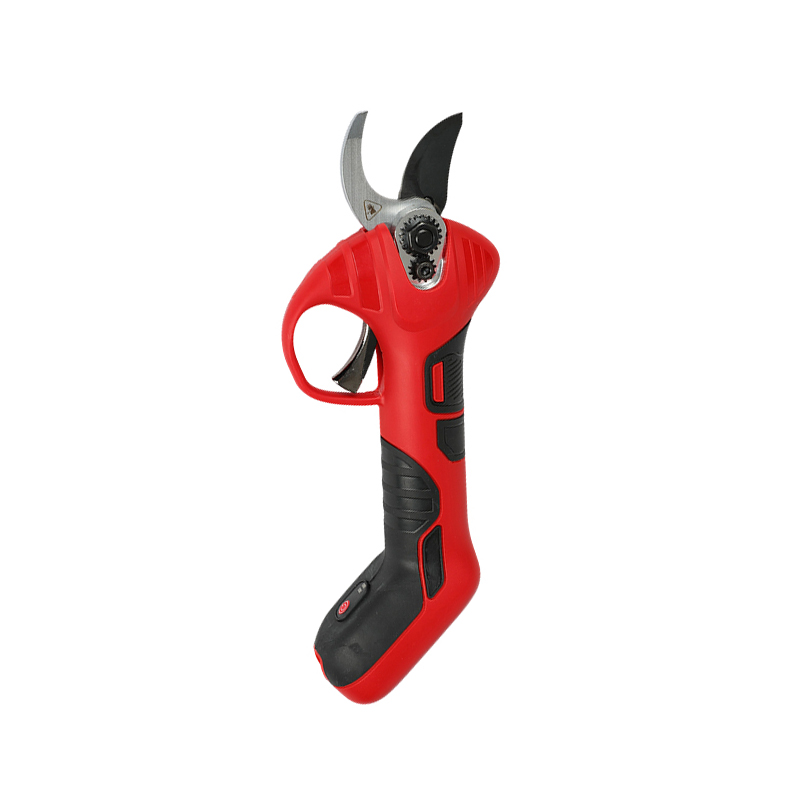
Orchard Maintenance Is Becoming More Efficiency-Driven
Fruit growers and landscape maintenance teams are under increasing pressure to improve work efficiency while reducing physical strain during long working hours. Seasonal pruning, branch trimming, and routine maintenance often require repeated cutting tasks that place heavy demands on both equipment and operators.
This is one reason why tools such as Pruning Shears are gaining popularity in modern orchard management. Compared with traditional manual cutters, electric-assisted systems improve cutting consistency and reduce hand fatigue during repetitive operations.
In vineyards, citrus farms, and commercial orchards, operators are also looking for tools that allow easier movement between work areas without relying on fuel engines or power cords.
Why Traditional Fuel-Powered Equipment Is Losing Ground
For decades, gasoline-powered cutting tools dominated outdoor work because of their strong output and long runtime. However, several limitations have become more noticeable as work environments and user expectations evolve.
One issue is maintenance complexity. Fuel systems require regular servicing, oil management, and engine maintenance, all of which increase downtime and operational cost.
Noise is another growing concern. Residential landscaping projects and municipal maintenance work increasingly face local restrictions related to sound pollution and emissions.
Weight also affects productivity. Heavier fuel-powered tools can create operator fatigue during overhead cutting or prolonged use, particularly in orchard environments where mobility is important.
Because of these challenges, many professionals are turning toward battery-powered systems such as Cordless Chain Saw equipment that combines cutting performance with improved portability and easier daily operation.
Battery Platforms Are Changing Purchasing Decisions
The development of lithium battery technology has significantly changed the outdoor equipment market. Buyers are now evaluating tools not only individually but as part of larger cordless ecosystems.
A growing number of professional users prefer shared battery platforms that support multiple tools across pruning, trimming, and cutting applications. This reduces charging management complexity and improves operational flexibility in the field.
Several industry trends are influencing current purchasing behavior:
- Brushless motor adoption for lower maintenance
- Fast-charging battery systems for continuous work cycles
- Compact body structures for easier handling
- Lower vibration levels during extended operation
- Improved energy efficiency in cutting applications
These developments are helping cordless equipment move beyond residential use into more demanding commercial environments.
Practical Applications Are Expanding Beyond Residential Gardening
Modern battery-powered cutting tools are now widely used across multiple professional sectors.
A Cordless Chain Saw is increasingly applied in:
- Orchard branch removal
- Tree maintenance work
- Municipal landscape management
- Farm perimeter cleanup
- Storm damage handling
At the same time, professional-grade Pruning Shears are commonly used for precision trimming tasks where clean cuts and repetitive operation efficiency are essential.
This combination allows operators to manage both heavy and detailed cutting work with greater flexibility while reducing equipment transport complexity.
Manufacturing Quality Is Becoming More Important for Global Buyers
International buyers and distributors are becoming more cautious about long-term product reliability. Instead of focusing only on pricing, many procurement teams now evaluate manufacturing consistency and component durability.
Important considerations include:
- Battery cycle stability
- Motor durability under continuous use
- Spare parts availability
- Safety protection systems
- Production consistency across batches
- Packaging suitability for export distribution
As cordless equipment becomes more widely adopted in commercial applications, stable manufacturing quality is becoming essential for supplier competitiveness.
Future Outdoor Tools Will Continue Moving Toward Lightweight Electrification
The global outdoor equipment market is steadily transitioning toward lighter, quieter, and more energy-efficient systems. Improvements in battery runtime and motor efficiency are making cordless tools increasingly practical for professional use across landscaping, agriculture, and municipal maintenance sectors.
Future product development will likely focus on smarter battery management, reduced equipment weight, and improved compatibility between different tool categories.
Manufacturers capable of balancing cutting performance, ergonomic design, and stable production quality will remain well positioned as professional outdoor work continues shifting toward cleaner and more flexible equipment solutions.
