




 English
 Español
 Français


Outdoor power equipment is changing rapidly as professional landscapers, orchard operators, and gardening tool distributors move away from traditional fuel-powered systems. What was once considered a niche category has now become one of the fastest-growing segments in the garden equipment market. Improvements in lithium battery technology, brushless motors, and lightweight tool structures are reshaping how pruning and cutting work is performed across commercial and residential environments. For manufacturers and global buyers, the conversation is no longer only about cutting power — it is increasingly about portability, efficiency, maintenance reduction, and user comfort.
Battery Technology Is Reshaping Professional Garden Equipment
Recent product launches from major outdoor tool brands show a clear direction across the industry: cordless systems are becoming more powerful, lighter, and better suited for daily professional use. Reports covering 2026 garden tool releases highlight how manufacturers are prioritizing quieter operation, reduced vibration, and improved battery efficiency in outdoor cutting equipment.
This shift has increased demand for tools such as Cordless Chain Saw systems in landscaping, orchard maintenance, and municipal gardening projects. Compared with older fuel-powered equipment, modern cordless platforms offer easier startup, lower maintenance requirements, and more flexibility for operators working across large outdoor areas.
At the same time, battery ecosystem compatibility has become an important purchasing factor for distributors and professional users managing multiple tools on a shared platform.
Why Traditional Gas-Powered Tools Are Losing Appeal
For many years, fuel-powered garden tools dominated professional outdoor work because of their cutting strength and continuous runtime. However, changing work environments and user expectations are exposing several limitations.
One major issue is maintenance complexity. Fuel engines require regular servicing, fuel mixing, filter cleaning, and seasonal maintenance, all of which increase operational downtime.
Noise and emissions are also becoming concerns, especially in urban landscaping and residential gardening environments where regulations are tightening.
In addition, operator fatigue has become a bigger focus within the industry. Heavier gas-powered equipment can increase strain during long working sessions, particularly for pruning and overhead cutting tasks.
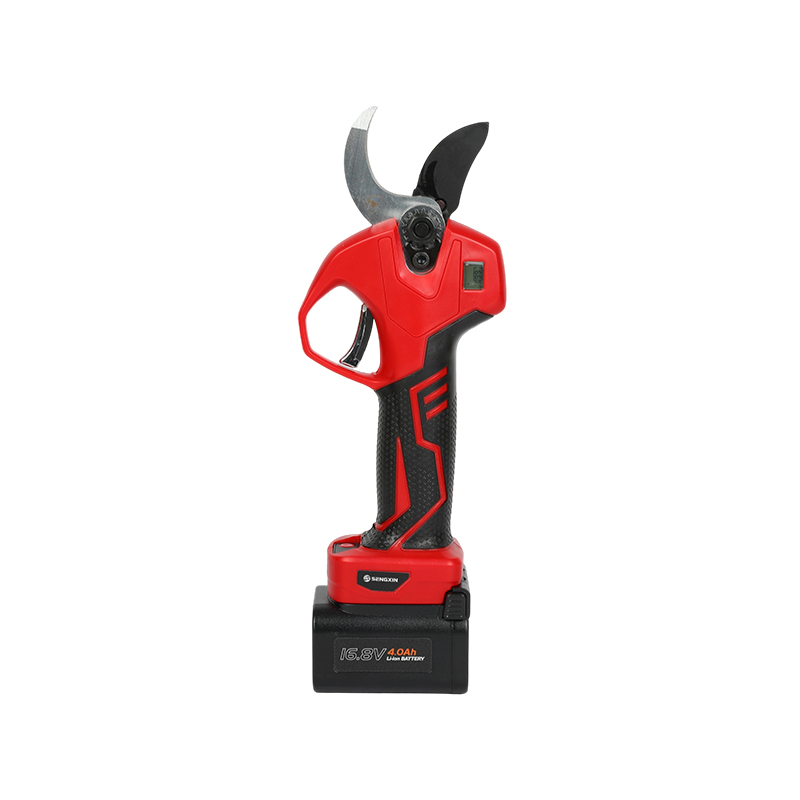
Because of these factors, more professionals are adopting lightweight electric solutions such as Pruning Shears with brushless motor systems that improve cutting efficiency while reducing physical effort.
Smart Gardening Trends Are Influencing Buyer Expectations
Social media gardening communities and landscaping forums increasingly focus on efficiency, portability, and ergonomic tool design. Buyers are now evaluating outdoor tools based not only on power, but also on ease of handling and overall workflow improvement.
Recent industry discussions highlight several growing trends:
- Shared battery platforms across multiple tools
- Brushless motors for longer operational life
- Compact structures for precision cutting work
- Lower vibration for improved user comfort
- Faster charging systems for continuous field operation
Industry reports also indicate that cordless outdoor equipment continues gaining market share as battery performance improves and operational costs decrease.
This transition is particularly visible among commercial gardening crews and orchard management teams where mobility and productivity directly affect daily workload efficiency.
Practical Advantages in Orchard and Landscape Applications
In real working environments, cutting tools must balance power, portability, and control accuracy. Different applications place different demands on equipment, especially in commercial gardening and agricultural maintenance.
A modern Cordless Chain Saw is increasingly used for:
- Tree branch trimming in orchards
- Landscape maintenance projects
- Municipal greenbelt management
- Residential garden pruning
- Storm cleanup and light wood cutting
At the same time, professional-grade Pruning Shears are becoming popular for detailed cutting tasks where precision and reduced hand fatigue are important.
This combination allows operators to switch between heavy and precision cutting work more efficiently without relying on large fuel-powered systems for every task.
What Overseas Buyers Should Evaluate Before Sourcing Garden Tools
For importers, distributors, and commercial procurement teams, selecting a garden tool supplier now involves evaluating both product engineering and long-term support capability.
Important considerations include:
- Battery platform stability and replacement support
- Spare parts availability
- Motor and control system durability
- Product safety certifications
- Manufacturing consistency across production batches
- Packaging and logistics suitability for international markets
Buyers are increasingly prioritizing suppliers capable of supporting evolving cordless tool ecosystems instead of standalone single-function products.
Future Outdoor Equipment Will Focus More on Efficiency and Intelligent Design
The global garden equipment market is steadily moving toward quieter, lighter, and more intelligent outdoor tools. As battery performance improves and professional users demand more ergonomic solutions, cordless systems will likely continue replacing traditional fuel-powered equipment across multiple applications.
For manufacturers, future competitiveness will depend on balancing power output, runtime efficiency, and user-focused design. Companies capable of delivering reliable cordless systems with adaptable product platforms will remain well positioned as professional landscaping and garden maintenance continue evolving toward cleaner and more efficient working methods.
