




 English
 Español
 Français


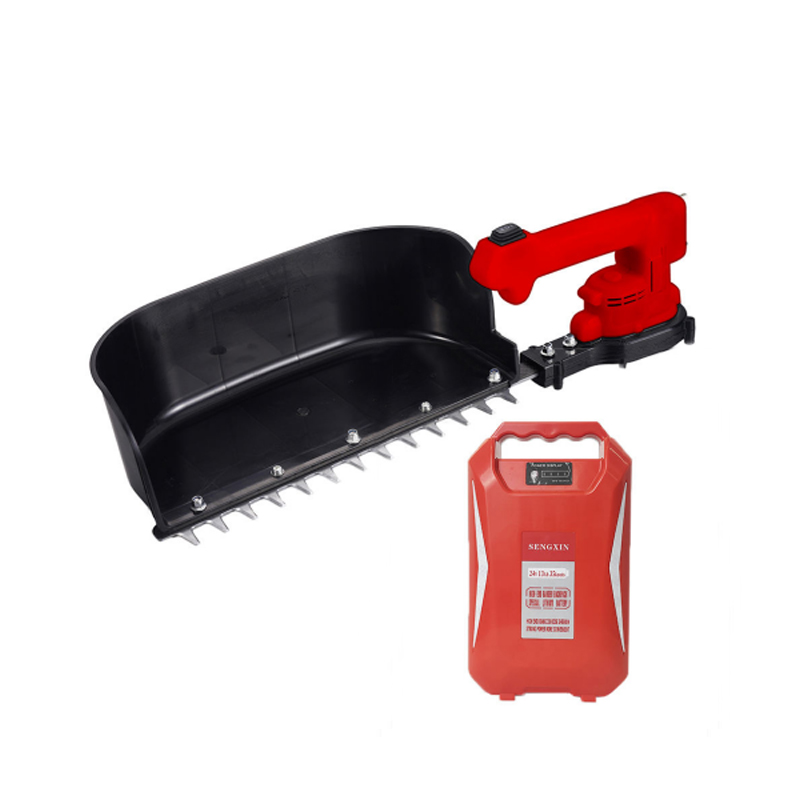


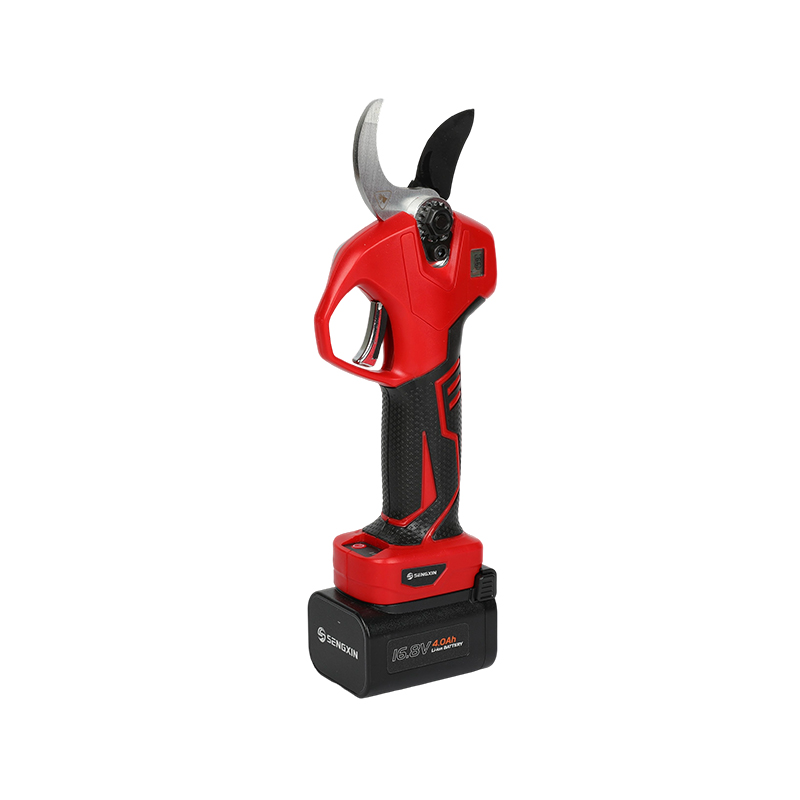
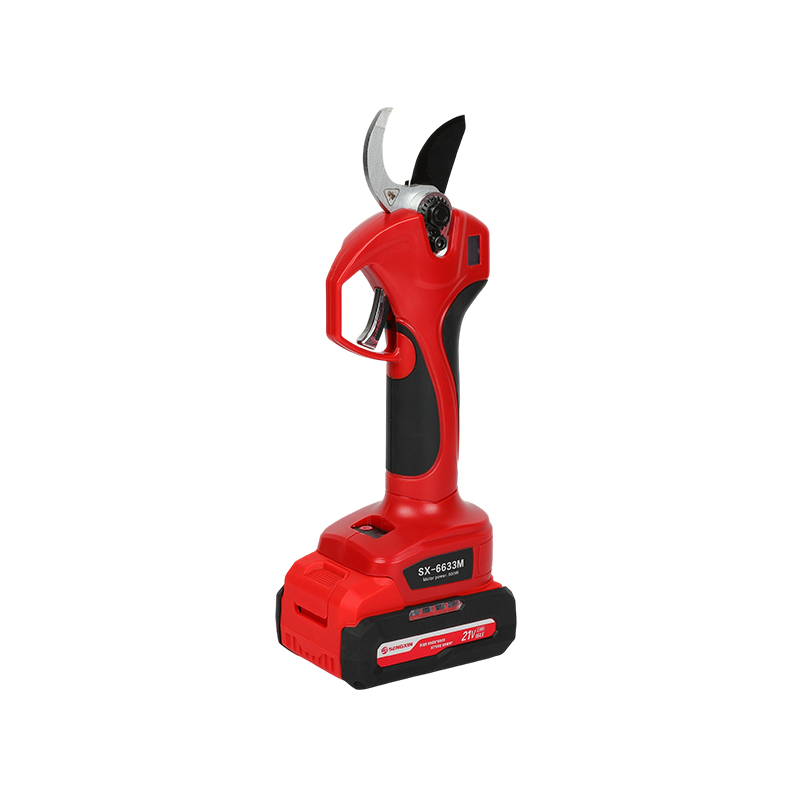
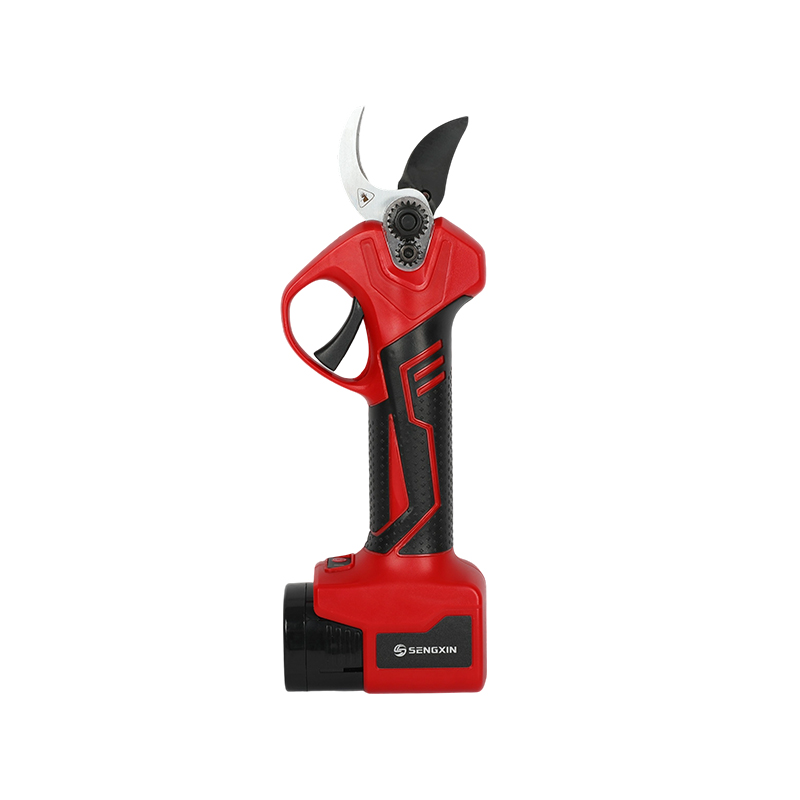
More Information About Cordless Tea Harvester
1. How much tea (kg) can it pick per hour or per full charge?
From the design and field‑testing standpoint, several factors influence yield: bush density, tea variety, terrain, operator skill, and battery capacity. Based on benchmark data for similar handheld machines, and our internal testing:
Estimated Hourly & Charge-Based Yield
- For a well-managed tea garden with moderate bush density, a skilled operator using a cordless tea harvester can often pick around 10–15 kg of fresh tea leaves per hour under good conditions. This aligns with general reported performance for handheld electric tea pluckers when compared to manual labor.
- Under continuous operation, assuming the machine's battery supports typical runtime (as per our battery specification), a full charge should comfortably handle several hours of harvesting before recharge is needed — allowing a single operator to harvest tens of kilograms in one session without performance drop, depending on charging strategy and rest periods.
What Affects Actual Yield
- If the tea bushes are sparse or terrain is uneven, yield per hour may drop — less leaves per pass, more repositioning.
- If collecting delicate buds (for high‑grade teas), operator must work more carefully, which slows down the rate but maintains quality.
- Battery runtime will depend on battery capacity and frequency of use; heavy cutting (dense bushes) drains battery faster.
Manufacturer commitment: We design the cordless tea harvester with a high‑efficiency motor and optimized cutting system to improve yield per charge, while balancing leaf quality and operator comfort.
2. Is the 0.9 kg bare weight light enough for long-time use comfortably?
From SENGXIN's ergonomic design philosophy, a bare weight around 0.9 kg is considered light and advantageous for manual operation over extended periods.
Advantages of Light Weight
- Reduced fatigue: At under 1 kg for the base unit, the operator experiences less shoulder and arm strain compared to heavier machines. This is particularly important when harvesting many rows or hours in a day.
- Better maneuverability: Light weight makes it easier to move through tea bushes, adjust angles, and maintain control — especially important for careful picking of tender leaves.
- Extended usable periods: Comfortably lightweight tools allow operators to work longer without excessive fatigue.
Design Trade-Offs and Mitigations
- A lightweight base often means the battery is carried separately (waist‑mounted or belt), or the tool is designed with balance in mind so total working weight (with battery) remains manageable.
- SENGXIN focuses on ergonomic handles and balanced weight distribution, so even with battery attached, the machine remains easy on the operator.
0.9 kg is a good design target, balancing portability and functionality for prolonged harvesting sessions.
3. Is the dual-blade system gentle enough to avoid damaging tea buds?
From our engineering and quality‑control perspective, a dual-blade (reciprocating or scissor-style) system — when properly designed and tuned — can harvest tea leaves effectively while preserving bud integrity. Here's how SENGXIN ensures that:
Design Features for Gentle Harvesting
- Precise blade spacing and stroke control: The dual blades are calibrated so that the cutting action slices through stems without crushing or bruising the tender leaves. This reduces damage to buds or leaf surfaces.
- Adjustable cutting height and angle: This allows the operator to set the good position depending on bush growth and leaf maturity, reducing the chance of cutting too deep or catching stems improperly.
- Reduced vibration and stable motion: By controlling motor vibration and ensuring smooth blade articulation, the system maintains consistent cutting without sudden jerks — minimizing leaf tears.
Quality vs. Speed Balance
- If the operator pushes for improve speed (e.g. to improve kg/hour), the risk of nicking leaves or including unwanted stems increases; SENGXIN recommends balancing speed and care when harvesting high‑grade teas.
- For premium teas (bud-and-two-leaf standard), slower passes with careful blade adjustment yield leaf integrity.
From SENGXIN's standpoint, our dual-blade system is designed to provide a good balance: efficient harvesting while preserving tea-leaf quality — especially under operator awareness and correct handling.
4. Is the machine waterproof / suitable for damp or rainy conditions?
Given that tea harvesting often occurs in early morning dew, humid climates, or rainy seasons, SENGXIN engineers consider environmental resilience a key requirement. Here is how we address it — and what limitations remain.
Weather-Resistant Design Features
- Sealed housing and motor compartment: Critical components (motor, wiring, switches) are protected against moisture ingress, reducing risk of short circuits or corrosion.
- Water‑resistant switch and grip design: Switches are designed to resist water seepage; grip surfaces remain secure even with damp gloves or humid conditions.
- Drainage and easy-clean design: Any water, sap, or tea‑residue can be rinsed/cleaned off after use; the design avoids pockets where water or debris accumulates.
Usage Guidelines & Limitations
- Not for heavy rain immersion: While the machine handles dew, light rain, or humidity, it should not be submerged or used during heavy downpours. Extended exposure to heavy rain may affect battery or motor over time.
- Post‑use maintenance: After harvesting in damp conditions, battery and motor compartments should be wiped dry; battery removed before charging to prevent moisture build-up.
- Storage: Store in a dry, ventilated space — avoiding high humidity or direct rain exposure — to preserve electronic components and battery health.
