




 English
 Español
 Français


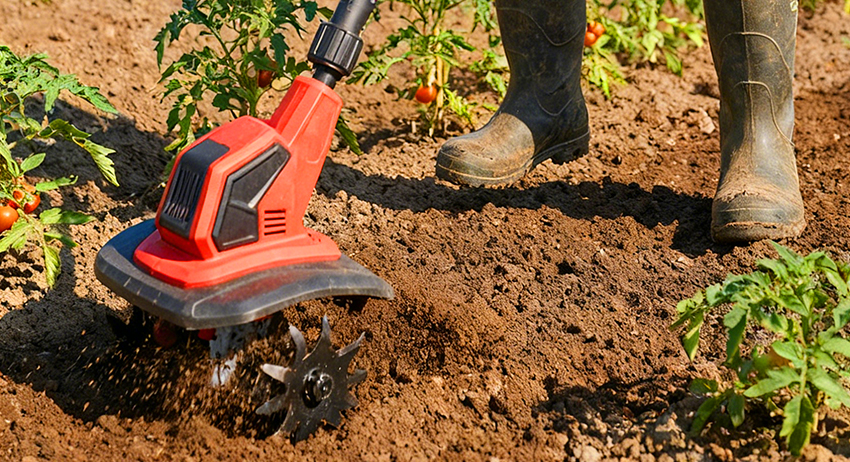
As global lifestyles continue to shift toward sustainability, convenience, and smarter labor solutions, Cordless Garden Tools are becoming a frequent topic across overseas social media platforms, professional forums, and DIY communities. From home gardeners sharing weekend projects to agricultural users discussing efficiency and ergonomics, cordless solutions are increasingly viewed as practical upgrades rather than optional tools. This broader trend also extends into specialized agricultural equipment, where cordless technology is redefining traditional workflows and expectations.
Changing Attitudes Toward Outdoor Work
Across international discussions, one recurring theme stands out: people want outdoor work to feel less exhausting and more rewarding. Whether tending a backyard garden or managing small-scale farming tasks, users are moving away from noisy, fuel-based equipment and heavy manual tools. Cordless designs align well with this shift by offering mobility, reduced maintenance concerns, and quieter operation—qualities that resonate strongly with both residential users and professionals.
Everyday Convenience Drives Adoption
One of the main reasons cordless solutions gain attention is how naturally they fit into daily routines. Users often mention frustration with tangled cables, limited reach, or frequent interruptions caused by traditional power sources. Cordless tools eliminate these obstacles, allowing uninterrupted movement across gardens, fields, or terraces. This seamless experience makes outdoor work feel more intuitive, especially for users who value efficiency without changing their established habits.
Practical Benefits Without Added Complexity
Online conversations highlight that many users seek improvements without learning complicated systems. Cordless tools appeal because they operate in familiar ways while offering noticeable upgrades. Simple triggers, balanced weight distribution, and straightforward charging processes ensure users can transition smoothly from older equipment. This adaptability is frequently praised in reviews and shared experiences, reinforcing trust and interest in cordless solutions.
Ergonomics and User Comfort Take Center Stage
Comfort has become a key consideration in product discussions. Prolonged outdoor tasks can strain hands, shoulders, and wrists, particularly for repetitive work. Cordless tools are often associated with lighter designs and improved handling, which helps reduce fatigue. Social media posts increasingly focus on how comfortable tools improve overall productivity and enjoyment, especially for users who spend extended time working outdoors.
Sustainability as a Shared Value
Environmental awareness continues to influence purchasing decisions worldwide. Cordless tools align well with these values by supporting cleaner operation and reducing dependency on fuel-based systems. While users may not always frame their choice in technical terms, many express appreciation for quieter environments, cleaner air, and tools that feel more responsible to use. This mindset supports the broader movement toward environmentally conscious outdoor equipment.
Technology Supporting Small-Scale Agriculture
Beyond home gardening, cordless technology is making noticeable impacts in niche agricultural applications. Growers and small producers discuss how modern tools help streamline repetitive tasks without compromising precision. In particular, handheld harvesting solutions allow workers to maintain consistency and care during delicate processes, contributing to better outcomes and improved workflow efficiency.
Reliability in Real-World Conditions
A common concern shared online is whether cordless tools can perform consistently under varying conditions. Discussions often focus on durability, stability, and dependable output during regular use. Manufacturers that emphasize build quality and practical testing gain more attention, as users want reassurance that cordless solutions can handle real-world demands without frequent adjustments or downtime.
The Role of Design in User Confidence
Design is no longer just about appearance; it influences trust. Users often comment on how well-designed tools feel more secure and reliable in hand. Clean layouts, intuitive controls, and balanced proportions help users feel confident during operation. This confidence translates into better performance and a more positive overall experience, which users are eager to share online.
Adapting to Evolving Workflows
Modern users expect tools to adapt to them—not the other way around. Cordless solutions are praised for fitting into existing workflows without forcing major changes. Whether switching between tasks or sharing equipment among team members, ease of adaptation becomes a strong selling point. This flexibility is frequently cited as a reason for upgrading from traditional tools.
Innovation Rooted in Practical Use
As conversations continue to evolve, it’s clear that cordless technology is not just a trend but a response to real user needs. The focus remains on reducing effort, increasing comfort, and supporting sustainable practices while maintaining reliable performance. From everyday garden maintenance to specialized harvesting tasks, cordless solutions continue to shape expectations and redefine standards.
In this landscape of evolving outdoor work, products such as Cordless Garden Tools and specialized solutions like the Cordless Tea Picker reflect how innovation can enhance both productivity and user satisfaction, making them increasingly relevant choices for modern users worldwide.
