




 English
 Español
 Français


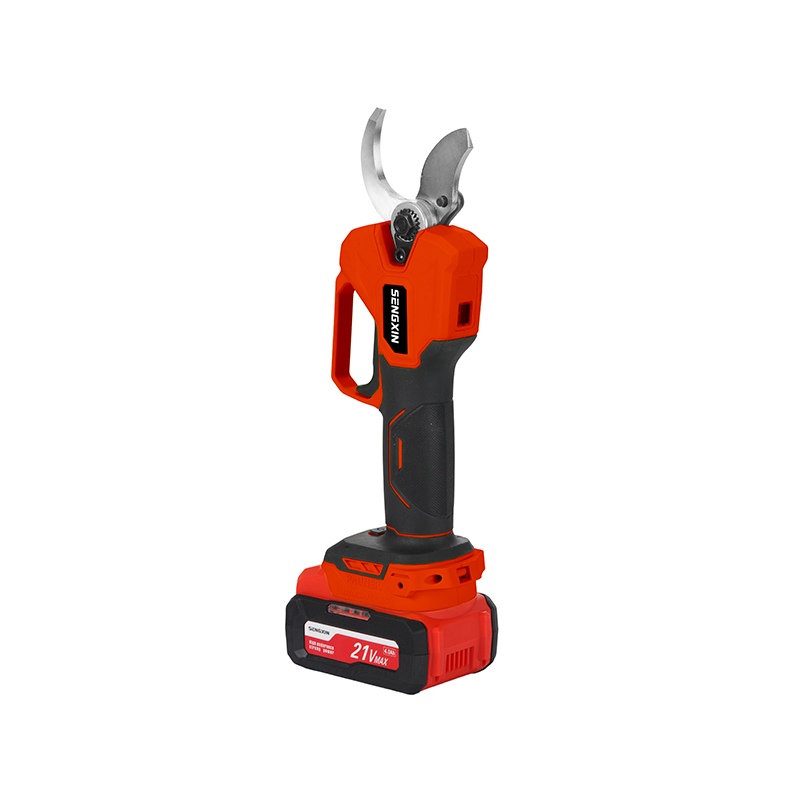
As outdoor maintenance and agricultural practices continue to evolve, Cordless Garden Tools have become a frequent topic across overseas social media, DIY forums, and professional farming communities. Users are increasingly discussing how battery-powered solutions fit into modern lifestyles that prioritize flexibility, reduced maintenance complexity, and quieter operation. This shift is not limited to home gardens but is steadily expanding into professional landscaping and specialized harvesting applications, where efficiency and reliability are becoming equally important.
The Global Shift Toward Mobility and Convenience
One of the most discussed trends online is mobility. Gardeners and agricultural workers alike value the freedom to operate without cables or fuel preparation. Cordless tools allow users to move seamlessly across uneven terrain, remote plots, or compact working areas without worrying about power access or extension limitations. This freedom of movement is often highlighted in user-generated videos and field-use reviews, where convenience directly translates into smoother workflows and less interruption during work.
Reduced Operational Friction in Daily Tasks
Another common theme in overseas discussions is ease of use. Battery-powered tools remove many of the preparatory and cleanup steps traditionally associated with outdoor equipment. There is no need for fuel mixing, pull-starting, or constant power adjustments. This simplification encourages more frequent maintenance and timely harvesting, helping users keep gardens, fields, and crops in better condition while reducing unnecessary effort and time pressure.
The Growing Role of Ergonomic Design
Comfort is becoming a central concern among both casual users and professionals. Prolonged outdoor work places continuous strain on hands, arms, and shoulders, making tool balance and handling increasingly important. Manufacturers that focus on ergonomic grips, thoughtful weight distribution, and vibration control are often praised in international gardening communities. These design considerations allow users to work longer with greater control, without feeling excessive fatigue by the end of the day.
Sustainability as a Purchasing Consideration
Environmental awareness also plays a growing role in buying decisions. Cordless solutions are commonly associated with lower operational noise and cleaner use environments, making them suitable for residential neighborhoods, community gardens, and environmentally sensitive farming areas. These characteristics align closely with global conversations around sustainable living, responsible land use, and reduced disturbance to surrounding ecosystems.
Expanding Beyond Traditional Gardening
Cordless technology is no longer limited to trimming hedges or maintaining lawns. Its application in harvesting tools is gaining significant attention, especially in regions facing labor shortages and rising operational costs. Lightweight, battery-powered harvesting solutions allow workers to maintain precision while improving overall efficiency. This evolution reflects a broader acceptance of cordless systems as practical tools for both small-scale and professional agricultural tasks.
Long-Term Value and Adaptability
Buyers today increasingly seek tools that can adapt to multiple scenarios rather than serving a single purpose. Interchangeable battery platforms and modular designs are viewed as smart, long-term investments. They allow users to build a flexible tool ecosystem that supports different seasons, crops, and workloads without the need to constantly replace equipment or change established working habits.
As outdoor work continues to modernize, the integration of cordless solutions into harvesting applications highlights a broader transformation across the industry. This is where specialized equipment like the Cordless Tea Picker demonstrates how targeted design, ergonomic consideration, and practical adaptability can support both productivity and user comfort in real agricultural environments.
