




 English
 Español
 Français


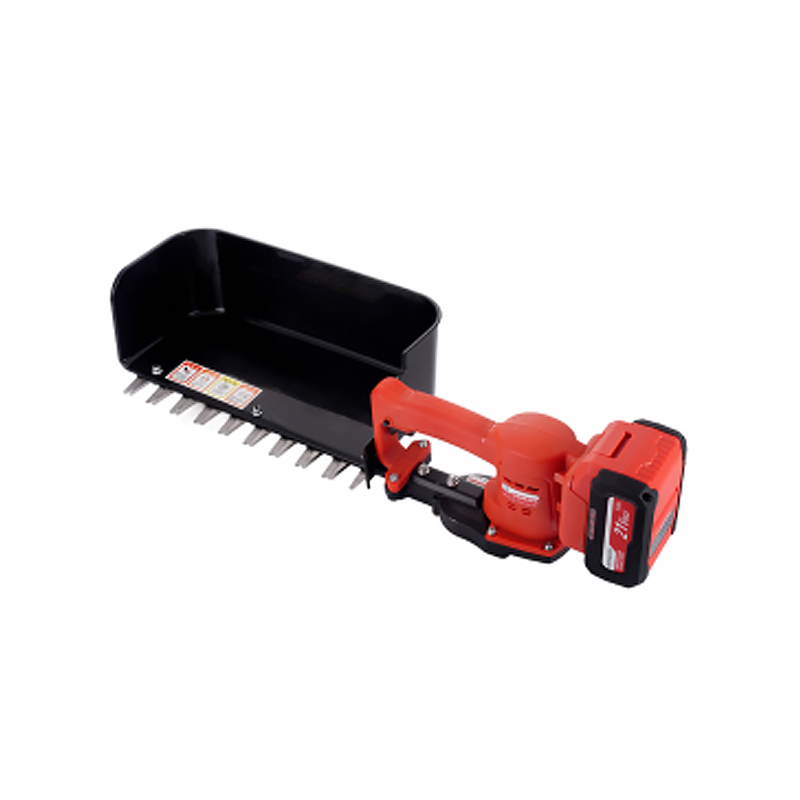
Sustainability is no longer a niche concept in agriculture—it has become a key purchasing and operational criterion for global buyers. In the tea industry, tools such as the Lithium Battery Tea Harvest system are gaining attention not only for efficiency but also for their role in reducing environmental impact. For plantation owners and procurement professionals, the shift toward cleaner and more adaptable harvesting solutions is influencing long-term investment decisions.
Sustainability Trends Influencing Equipment Choices
Across international markets, buyers are placing increasing emphasis on environmentally responsible production methods. This trend is reflected in both regulatory frameworks and consumer expectations.
Battery-powered harvesting tools support sustainability goals by:
- Reducing reliance on fuel-based machinery
- Lowering emissions during daily operations
- Minimizing noise pollution in plantation environments
- Supporting cleaner and more controlled energy use
For exporters and large-scale producers, these factors can enhance brand positioning in environmentally conscious markets.
Lithium Battery Systems: A Cleaner Power Alternative
The adoption of lithium battery technology marks a significant shift in agricultural equipment design. Compared to conventional fuel-powered tools, battery systems offer a more streamlined and eco-conscious solution.
From a technical perspective, lithium battery-powered tools provide:
Stable and efficient energy output
Reduced maintenance requirements due to fewer moving parts
Lightweight construction for improved handling
Compatibility with evolving energy storage technologies
These advantages make them increasingly suitable for modern agricultural operations focused on efficiency and sustainability.
Cordless Tea Picker: Supporting Agile Field Operations
The Cordless Tea Picker introduces a more flexible approach to harvesting, especially in plantations where terrain and layout present operational challenges. Its cordless design enhances adaptability and reduces operational constraints.
Field-Level Advantages:
- Improved maneuverability in dense planting areas
- Faster deployment without external power setup
- Reduced operator fatigue due to lighter equipment design
- Greater independence from fixed infrastructure
This agility allows plantations to optimize workflow and respond more effectively to changing harvesting conditions.
Expanding Use in Eco-Conscious Tea Production
Sustainable harvesting tools are increasingly used in:
- Organic tea plantations focused on low-impact operations
- Eco-certified farms meeting international environmental standards
- Remote agricultural areas seeking low-maintenance equipment
- Emerging markets adopting modern, scalable solutions
These applications highlight the growing importance of aligning equipment choices with broader sustainability strategies.
Manufacturing Capabilities Backing Innovation
Yongkang Tieteng Hardware Tools Co., Ltd., established in 2014, brings strong expertise to the development of battery-powered agricultural tools. Located in Yongkang, Zhejiang, the company integrates R&D, manufacturing, and sales to deliver adaptable solutions for global markets.
Its capabilities include:
Over 20 independent mold patents supporting product development
Annual output exceeding 1.5 million units
A 12,000 m² production facility with advanced automation systems
Comprehensive testing processes, including lithium battery performance validation
These strengths enable the company to provide consistent, scalable solutions tailored to diverse customer needs.
Procurement Insights for Sustainable Equipment Selection
When sourcing harvesting tools, buyers should consider both environmental and operational factors:
- Battery efficiency and lifecycle performance
- Material durability for long-term use
- Ease of maintenance and component replacement
- Compatibility with sustainability goals and certifications
Choosing the right equipment can support both productivity and environmental objectives.
Practical Usage Tips for Long-Term Efficiency
To maximize the benefits of battery-powered harvesting tools, users should:
Follow recommended charging and storage guidelines
Keep cutting components clean to maintain efficiency
Monitor battery condition to ensure consistent performance
Schedule regular maintenance checks
These practices help maintain operational stability while supporting sustainable use.
Aligning Productivity with Sustainability
As the global tea industry continues to evolve, sustainability and efficiency will remain closely linked. Battery-powered harvesting tools represent a practical step toward achieving both goals.
For international buyers and plantation operators, adopting solutions like the Lithium Battery Tea Harvest system reflects a forward-looking approach to agricultural management. By integrating efficient and adaptable equipment such as the Cordless Tea Picker, businesses can strengthen their position in a market increasingly shaped by sustainability, innovation, and operational flexibility.
