




 English
 Español
 Français


As global consumers become more conscious about where and how their tea is produced, sustainability has moved from a marketing concept to a core purchasing factor. Across international social media platforms, organic food forums, and specialty tea communities, discussions increasingly focus on environmentally responsible farming practices. Within this context, Cordless Garden Tools are gaining attention for their role in reducing operational impact, while Lithium Battery Tea Harvest solutions are being explored as practical tools for tea producers targeting organic and premium export markets.
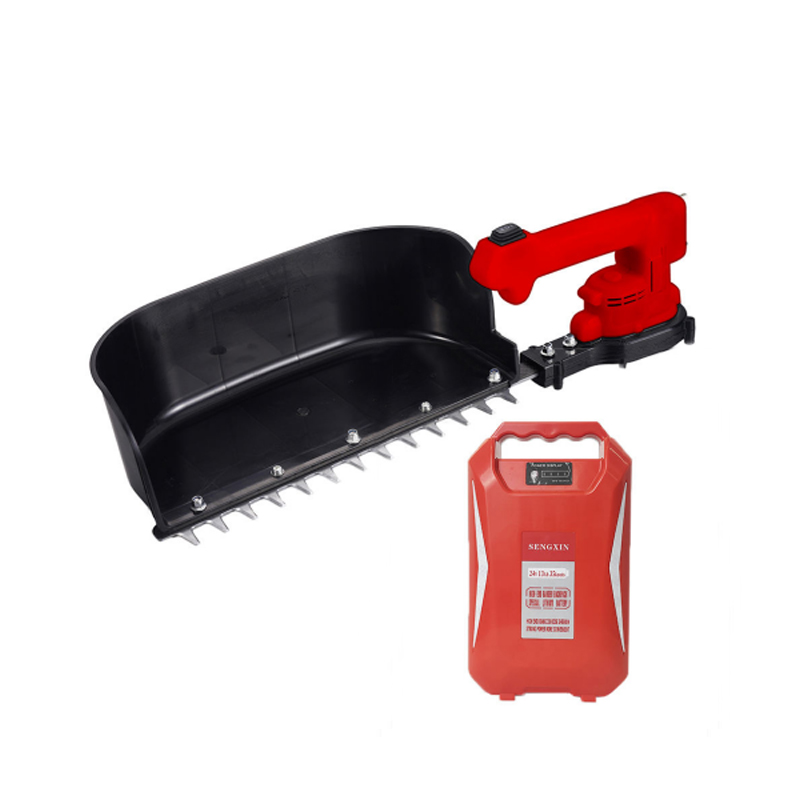
Growing Demand for Organic and Sustainable Tea
Overseas consumers, especially in Europe and North America, are showing strong interest in teas produced with environmentally friendly methods. Certifications related to organic farming and sustainable agriculture are frequently discussed in buyer communities.
For tea producers, meeting these expectations often requires adjustments not only in cultivation but also in harvesting methods and equipment selection.
Why Harvesting Methods Matter in Sustainable Farming
Harvesting is a critical stage in tea production. Excessive noise, emissions, or inefficient processes can conflict with sustainability goals and community standards.
Battery-powered harvesting tools support cleaner operation, helping tea farms align their practices with sustainability narratives valued by overseas buyers and distributors.
Lithium Battery Technology Supporting Cleaner Operations
Lithium battery systems are commonly discussed in sustainable agriculture circles for their stable power output and reduced environmental footprint during use. Compared to fuel-based alternatives, battery-powered tools help minimize local emissions and noise levels.
For tea farms operating in ecologically sensitive areas, this quieter and cleaner operation is particularly appealing.
Application in Certified Organic Tea Gardens
Organic tea gardens often follow strict guidelines regarding chemical use, soil protection, and ecosystem balance. Equipment used during harvesting must support these principles without introducing unnecessary disruption.
Cordless harvesting tools are well suited for these environments, offering precise cutting and flexible operation without reliance on fuel or complex infrastructure.
Supporting Tea Quality for Premium Markets
Premium and specialty tea markets place strong emphasis on leaf integrity and appearance. Overseas buyers frequently associate careful harvesting with higher perceived quality.
Cordless tools designed for smooth and controlled cutting help reduce leaf damage, supporting better processing results and consistent quality—an important factor for export-oriented producers.
Labor Comfort and Ethical Production Practices
Ethical labor practices are another topic frequently discussed alongside sustainability. Tools that reduce physical strain and simplify operation contribute to safer and more comfortable working conditions.
Overseas consumers and buyers increasingly value transparency not only in environmental impact but also in how farm workers are supported during production.
Brand Storytelling and Market Differentiation
Tea producers targeting international markets often rely on storytelling to differentiate their brands. Sustainable harvesting methods supported by modern tools can become part of a compelling brand narrative.
Visual content showing cordless harvesting in organic tea gardens resonates well on social media and helps build trust with overseas audiences.
Reduced Maintenance and Long-Term Use
From a sustainability perspective, durability and reusability are important. Tools that offer longer service life and require less frequent replacement contribute to reduced resource consumption.
Lithium battery-powered harvesting tools are often discussed as practical long-term investments for farms focused on responsible production.
The Role of Social Media in Promoting Sustainable Practices
Social platforms play a key role in spreading awareness about sustainable tea farming. Videos and posts showing real harvesting scenarios help buyers understand production practices behind the product.
Manufacturers that support tea producers with clear usage guidance and application examples indirectly strengthen their presence in overseas markets.
Looking Ahead: Sustainability as a Standard, Not an Option
As sustainability expectations continue to rise, tea producers will increasingly evaluate equipment through an environmental and ethical lens. Harvesting tools that support clean operation, quality control, and worker comfort are likely to remain in demand.
Manufacturers aligned with these values are better positioned to support the long-term growth of sustainable tea production.
Sustainable tea production requires attention at every stage of the supply chain, including harvesting. By supporting cleaner operation, precise cutting, and responsible labor practices, modern solutions are helping tea producers meet global expectations. This trend highlights the growing importance of Lithium Battery Tea Harvest equipment, which, together with efficient Cordless Garden Tools, plays a meaningful role in shaping a more sustainable and market-ready tea industry for overseas consumers.
