




 English
 Español
 Français


You've used a drill before. The corded kind that ties you to an outlet. The old battery kind that dies halfway through a job. A lithium cordless brushless drill solves both problems. It's powered by lithium-ion batteries that hold a charge longer and don't lose power as they drain. And the motor is brushless—more efficient, more durable, and more powerful than the brushed motors you grew up with.
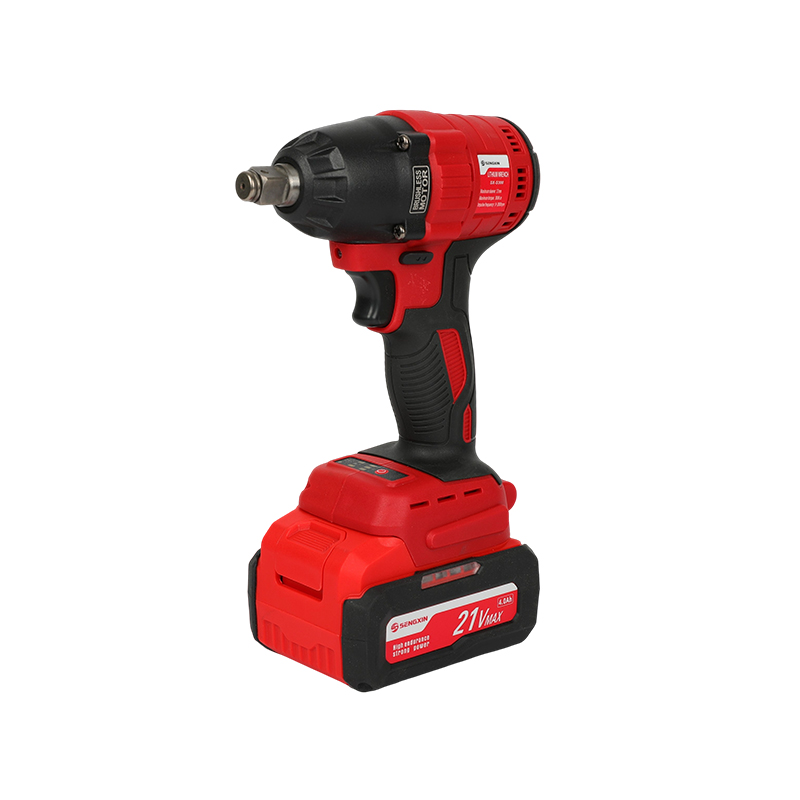
What Makes Brushless Different from Brushed
No brushes means less friction and more efficiency
In a brushed motor, carbon brushes transfer electricity to the spinning rotor. They wear out over time, create friction, and waste energy as heat. A brushless motor uses electronics to control the power instead. No brushes to wear out. No friction. Less heat. That means the drill runs cooler, uses less battery, and delivers more power to the work.
The motor lasts longer
Brushed motors die when the brushes wear down. You can replace them, but it's a hassle. A lithium cordless brushless drill motor has no brushes to replace. The main wear point is gone. The drill keeps running year after year.
The battery lasts longer
Because a brushless motor wastes less energy as heat, it draws less current from the battery. A lithium cordless brushless drill gets more holes per charge than a brushed equivalent. You're not swapping batteries halfway through a job.
What Goes into a Lithium Cordless Brushless Drill
The motor
The heart of the drill. A lithium cordless brushless drill has a motor with permanent magnets and electronic commutation. No brushes, no sparks, no wear. The motor is sealed against dust and debris.
The battery
Lithium-ion. 18V or 20V max, depending on the brand. A lithium cordless brushless drill runs on battery packs that are lighter and more compact than older nickel-cadmium batteries. They don't suffer from memory effect, and they hold their charge for months.
The chuck
The part that holds the drill bit. A lithium cordless brushless drill usually has a keyless chuck—you tighten it by hand. 1/2-inch or 3/8-inch, depending on the drill size. The chuck grips the bit firmly, even under heavy load.
The trigger and speed control
Variable speed trigger gives you control. A lithium cordless brushless drill has an electronic speed controller that adjusts the motor speed based on how hard you pull the trigger. You get slow speed for driving screws, high speed for drilling.
The clutch
This is the part that stops the drill from stripping screws or damaging the workpiece. A lithium cordless brushless drill has an adjustable clutch with multiple settings. Set it to the right torque, and the drill stops when it reaches that point.
Common specs for lithium cordless brushless drills:
- Motor type: brushless
- Battery voltage: 18V, 20V max
- Battery capacity: 1.5Ah to 6Ah
- Chuck size: 1/2" or 3/8"
- Speed: 0-600 RPM (low), 0-2000 RPM (high)
- Torque: 40Nm to 80Nm
- Clutch settings: 15 to 25 positions
- Weight: 1.5kg to 2.5kg (with battery)
Where Lithium Cordless Brushless Drills Are Used
Construction and framing
Framers need to drive hundreds of screws a day. A lithium cordless brushless drill delivers the power and battery life to keep up. The brushless motor doesn't overheat, even when you're driving screws all morning.
Cabinet installation and finish work
Precision matters. A lithium cordless brushless drill with a clutch lets you drive screws flush without stripping or overdriving. The variable speed trigger gives you control for delicate work.
Mechanical and automotive work
Drilling through metal requires sustained torque. A lithium cordless brushless drill delivers the power you need without bogging down. And the battery life means you're not stopping to recharge.
Home workshop and DIY
For the occasional user, a lithium cordless brushless drill is a long-term investment. The brushless motor won't wear out, and the battery holds a charge between uses. You can pick it up after months of sitting idle and it still works.
What to Look For
Voltage and power
18V is standard for most work. A lithium cordless brushless drill in the 18V class handles most drilling and driving tasks. If you're doing heavy work, consider a higher voltage. For light duty, 12V may be enough.
Battery capacity
Bigger Ah means longer runtime. A lithium cordless brushless drill with a 2Ah battery is fine for occasional use. 4Ah or 5Ah gives you all-day run time. Also check if the battery is compatible with other tools in the same system.
Speed range
Two-speed or three-speed gearboxes give you flexibility. A lithium cordless brushless drill with a high and low setting covers most tasks. Low speed for driving screws. High speed for drilling. Some have a third speed for specialized work.
Chuck quality
A metal chuck grips better and lasts longer than plastic. A lithium cordless brushless drill with a metal ratcheting chuck holds bits securely and resists slipping under load.
Torque rating
Torque is what drives the screw. A lithium cordless brushless drill with higher torque does heavier work. 40Nm is fine for light duty. 60Nm and above for heavy framing and construction work.
Weight
Brushless motors are more efficient, which means they can be built smaller and lighter. A lithium cordless brushless drill weighs less than a brushed drill of the same power. That matters when you're using it overhead or all day.
Included accessories
Some drills come with batteries, charger, and a case. A lithium cordless brushless drill kit is usually better value than buying the bare tool. But make sure the batteries are decent quality and the charger is fast enough.
A lithium cordless brushless drill is a long-term investment. The brushless motor lasts years longer than brushed. The battery holds its charge. The drill delivers consistent power from start to finish. It's not the cheap option upfront. But it's the one that keeps working when you need it. Choose the right voltage, the right battery capacity, and the right chuck—and you'll be set for years.
