




 English
 Español
 Français


A cordless drill is the tool that gets reached for more than any other in the box. It drives the screws, bores the holes, and mixes the paint. The lithium battery brushless drill changes two things about that tool. The brushless motor removes the carbon brushes and the friction they create, so more of the battery energy goes into the chuck instead of the heat. The lithium battery holds its charge in storage and delivers the full output until it is empty. For the contractor, the cabinet installer, and the homeowner with the weekend list, the brushless drill is the one that finishes the job on one battery.
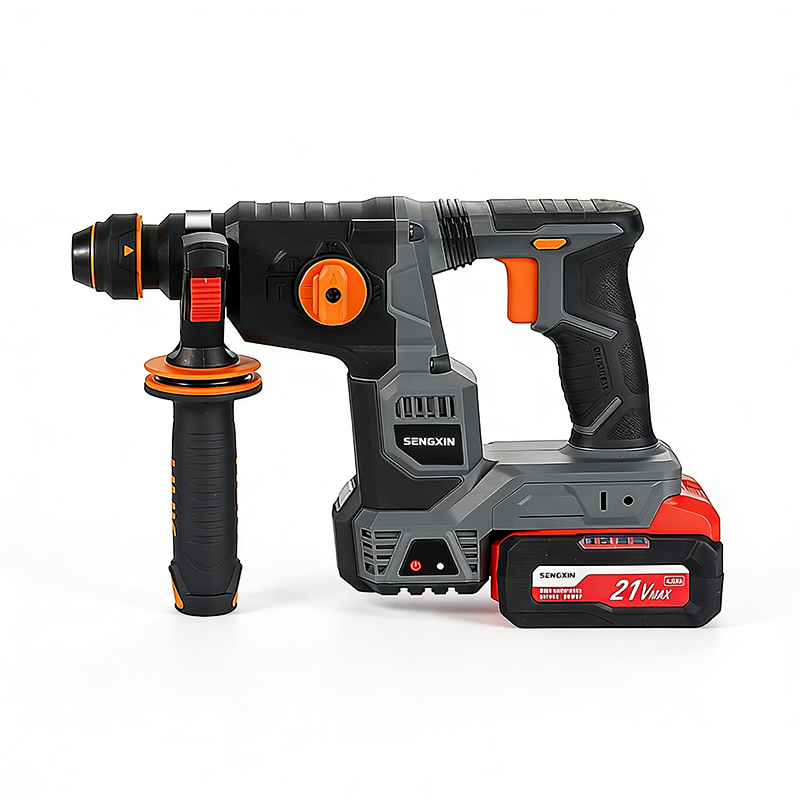
The Motor Without the Brushes
A brushed motor uses carbon brushes and a commutator to transfer the current to the spinning rotor. The brushes rub, spark, and wear out. A brushless motor uses an electronic controller to switch the current through the stator windings. The rotor spins without contact.
A lithium battery brushless drill runs cooler than the brushed version. The cooler motor holds its power longer and the battery lasts longer per charge. The brushless motor also runs at the higher efficiency, which means more torque at the same amp draw.
The Battery That Holds the Charge
The lithium battery is the other half. The lithium cells hold the charge in the drawer for months without the self-discharge that the older NiCad suffers. The battery is ready when the tool comes out.
A lithium battery brushless drill with the well-designed battery management system protects the cells from the over-discharge and the overheating. The battery lasts longer and the replacement is not needed every year.
The Chuck and the Clutch
The chuck is the keyless, the single-sleeve or the double-sleeve. The keyless chuck grips the bit without the key. A lithium battery brushless drill with the metal chuck holds the bit true. The plastic chuck wears and the bit wobbles.
The clutch is the torque setting. The clutch slips at the set torque and stops the screw at the right depth. A lithium battery brushless drill with the 20-plus clutch settings drives the screw without the strip-out.
The Weight and the Balance
The brushless motor is smaller and lighter than the brushed motor of the same output. The lithium battery is lighter than the NiCad. A lithium battery brushless drill weighs less than the older drill and balances better in the hand. The lighter tool is the one the user reaches for at the end of the day.
Here is what a lithium battery brushless drill has to deliver:
- Brushless motor with the electronic controller
- Lithium battery with the battery management system
- Metal keyless chuck that holds the bit true
- Clutch with the multiple torque settings
- Weight and the balance for the extended use
- Shared battery platform with the other tools
Where the Drill Works
The cabinet installer drives the hundreds of screws. The electrician bores the holes in the studs. The homeowner hangs the shelves and the pictures. The lithium battery brushless drill handles the range from the light task to the heavy.
The Brush That Wears and the Battery That Fades
The brushed motor wears out because the brushes erode. The brushless motor does not have them. The lithium battery fades because the cells were cheap or the management system was missing. The quality cells with the BMS hold the capacity. The chuck slips because the jaws were worn. The metal chuck holds.
A lithium battery brushless drill runs longer and lasts longer. The brushless motor saves the energy. The lithium battery holds the charge. Choose a drill with the brushless motor and the quality battery.
