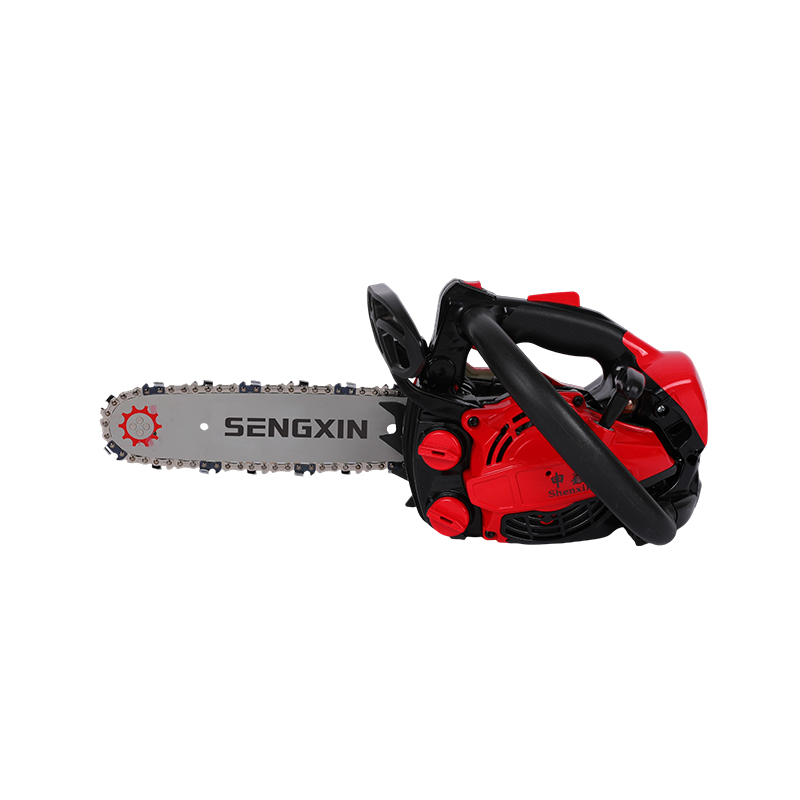
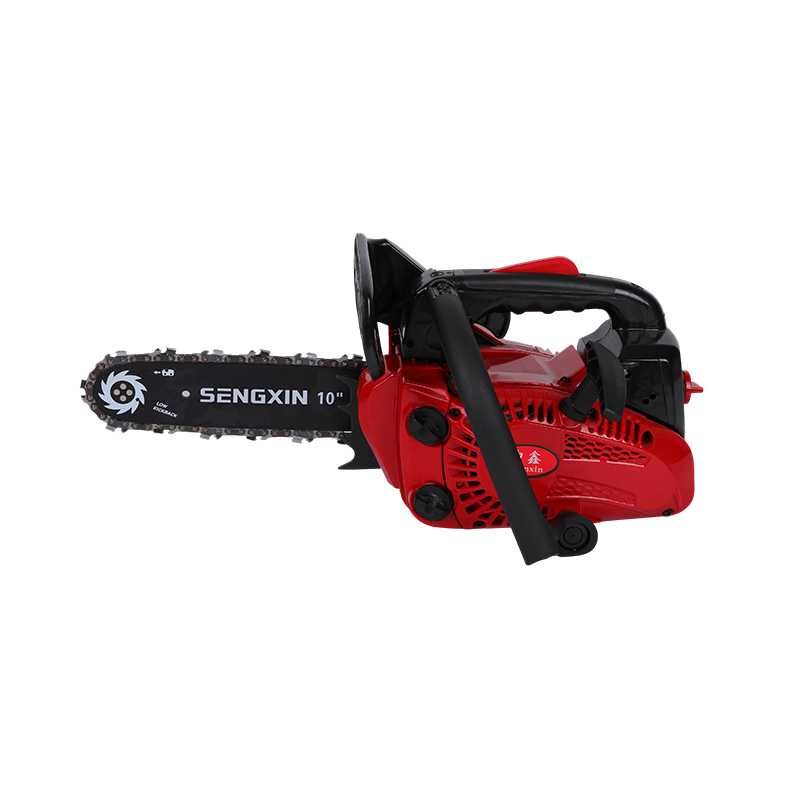
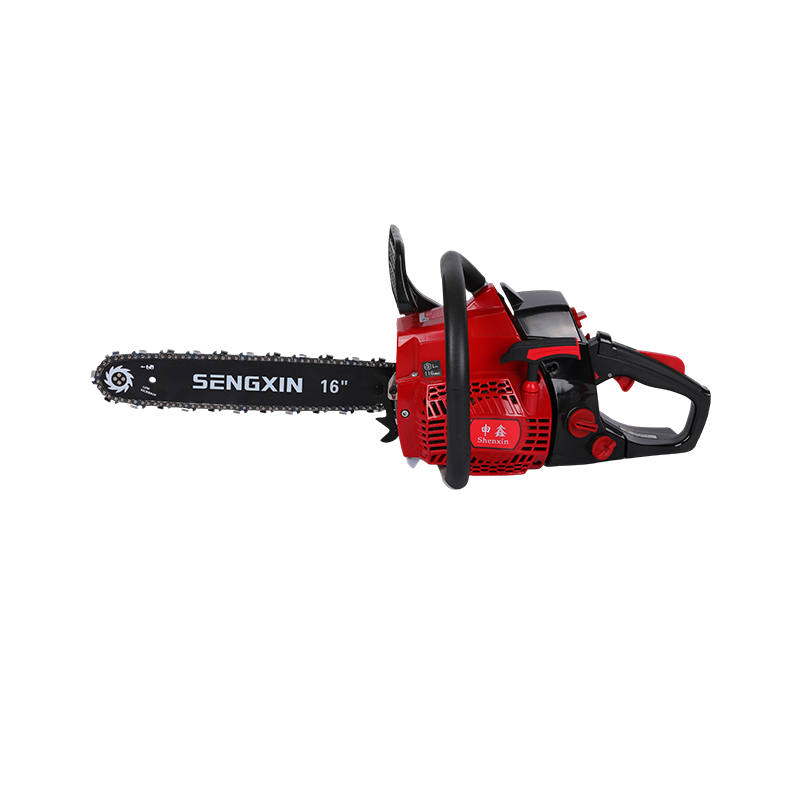
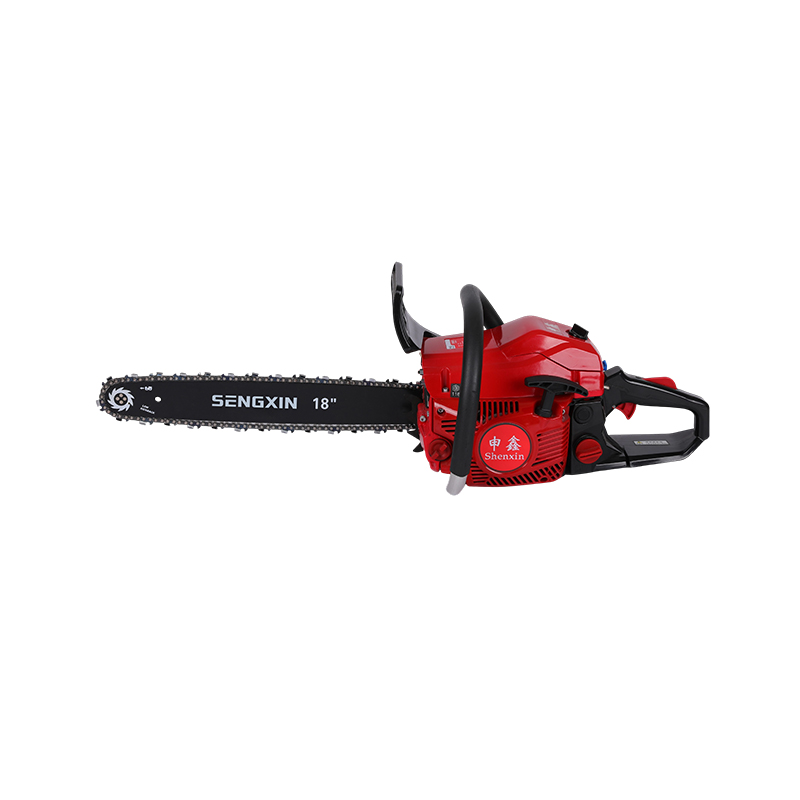
1. What Is Gasoline Machinery Used For?
At SENGXIN, our gasoline-powered machinery is designed for heavy-duty outdoor applications where portability, high torque, and sustained performance are essential.
Primary Uses:
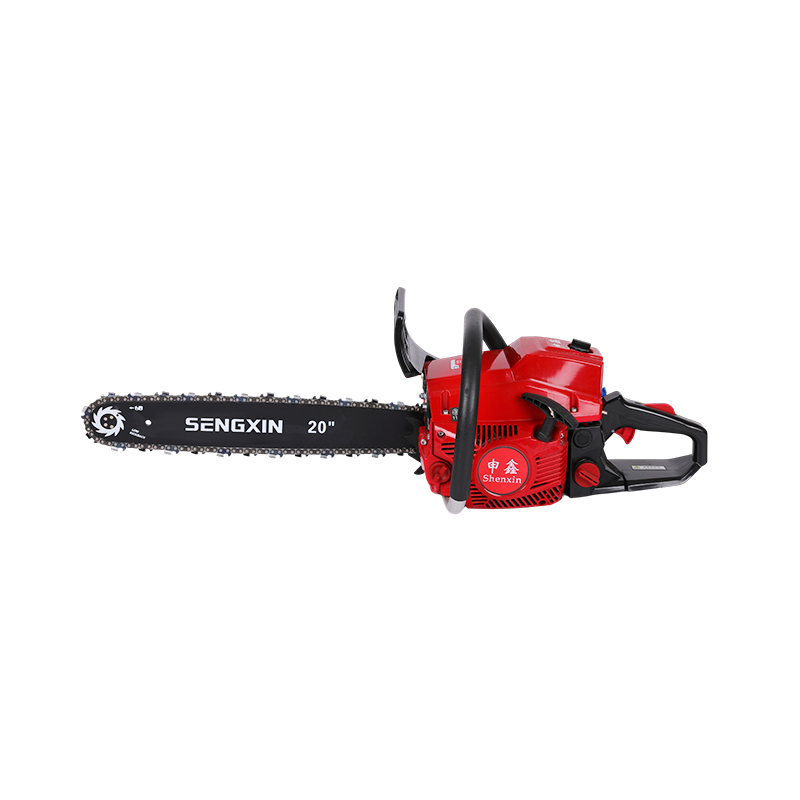
- Tree Cutting and Logging: Gasoline chain saws are ideal for felling trees and cutting thick branches.
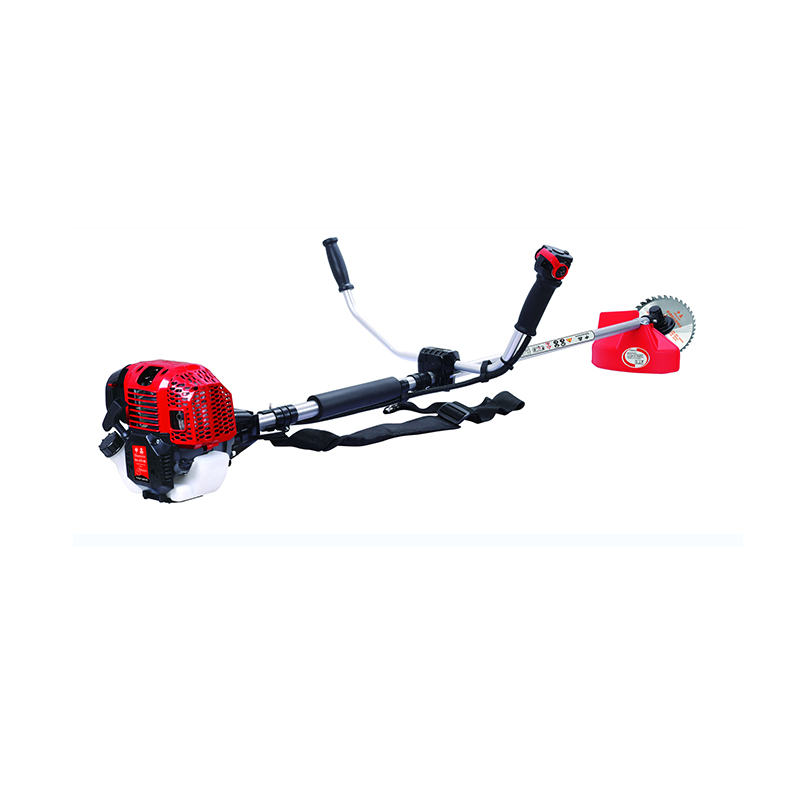
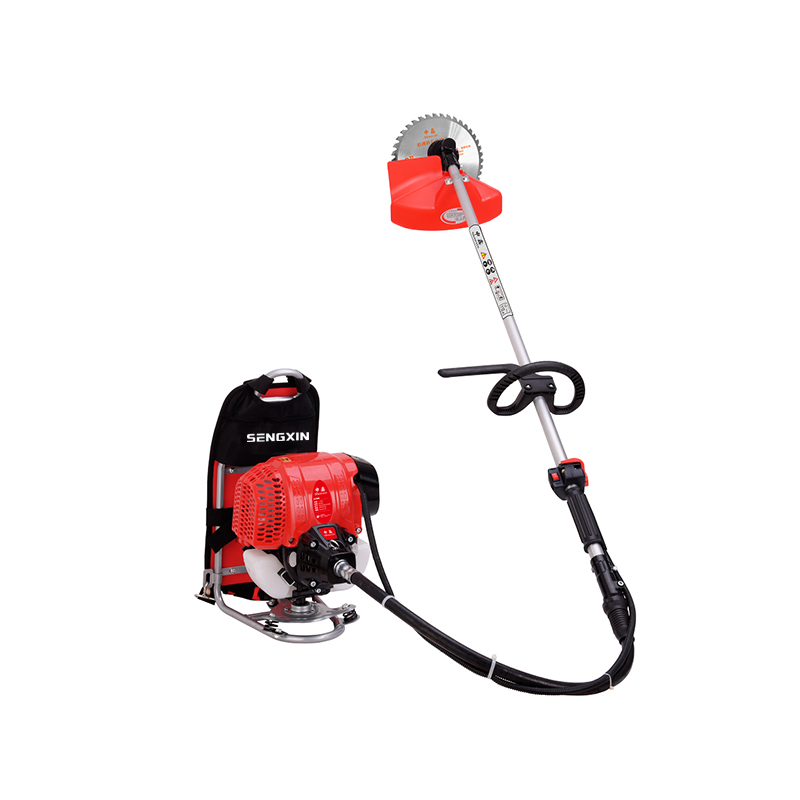
- Land Clearing and Landscaping: Brush cutters and trimmers efficiently manage overgrown areas.
- Construction and Outdoor Work: Portable generators and concrete mixers provide power and mixing capability on sites without electrical access.
- Agricultural Applications: Gasoline-powered tillers, water pumps, and sprayers facilitate farming tasks in remote areas.
Manufacturer Perspective:
SENGXIN designs gasoline machinery with high-quality engines, reinforced housings, and ergonomic controls, ensuring consistent performance even under conditions. These tools are essential for professionals who need mobility, power, and reliability without relying on electricity.
2. Why Choose a Gasoline Chain Saw Over Electric?
Gasoline chain saws offer several advantages that SENGXIN emphasizes in design and engineering:
• Outstanding Power and Torque:
Gasoline engines deliver higher cutting power than most battery or corded electric models.
Ideal for large-diameter logs and dense hardwoods.
• Longer Runtime:
Gasoline tools can operate for hours with refueling, while electric tools rely on battery capacity.
No downtime for recharging during extended outdoor projects.
• True Portability:
No cords limit movement, and high-power batteries are not required.
good for remote forests, farms, and construction sites.
• Professional Reliability:
SENGXIN gasoline chain saws are engineered for durable engines, reinforced chains, and vibration-reducing handles, providing precise and consistent cutting.
Easy to service in the field, with replaceable spark plugs, air filters, and chains.
3. Are Gasoline Tools Better for Outdoor Jobs?
From SENGXIN's perspective, gasoline tools remain the gold standard for demanding outdoor work:
Advantages:
- High Output: Handles tasks that electric or battery tools may struggle with, such as thick brush, large trees, and heavy-duty trimming.
- Weather Resistance: Gasoline engines are less affected by rain or cold temperatures than some electric models.
- Durability: Engineered for continuous heavy-duty operation without overheating.
- Versatility: Gasoline tools can be adapted for chainsaws, trimmers, blowers, and pumps.
While electric tools excel for small-to-medium residential tasks, gasoline-powered equipment is ideal for professional landscaping, forestry, and rural operations.
4. How to Maintain a Gasoline Chain Saw?
SENGXIN emphasizes that proper maintenance is critical for safety, performance, and longevity.
• Daily Maintenance:
Check fuel and oil levels; use recommended gasoline and chain oil.
Inspect the chain tension and sharpen if necessary.
Clean air filters and remove debris from the guide bar.
• Weekly Maintenance:
Inspect spark plugs and replace if worn.
Check the chain brake and safety mechanisms.
Lubricate moving parts and clean the exterior to prevent corrosion.
• Periodic or Seasonal Maintenance:
Drain fuel before long-term storage to prevent gumming.
Inspect the engine for wear and replace filters or worn components.
Conduct a full performance check before heavy-duty use.
SENGXIN Design Features for Ease of Maintenance:
- Tool-Free Adjustments: Quick chain tensioning without extra tools.
- Accessible Engine Components: Air filters, spark plugs, and fuel lines are easily reachable.
- Durable Construction: Reinforced bars and chains reduce maintenance frequency.
From SENGXIN's perspective, gasoline machinery is irreplaceable for high-demand outdoor work, offering mobility, power, and sustained performance. Gasoline chain saws and other equipment are engineered for professional use, with durable engines, ergonomic design, and easy maintenance. While electric tools suit light tasks, gasoline-powered equipment remains choice for forestry, construction, and rural applications, ensuring efficiency, reliability, and safety.





 English
 Español
 Français